


Yes — you can still secure a funded master's or PhD place to study in China in 2027, but the smartest applicants have already moved. A wide band of leading Chinese universities opened their graduate application windows in the autumn, and while most stay open well into next year, scholarship places are reviewed in the order in which complete files arrive.
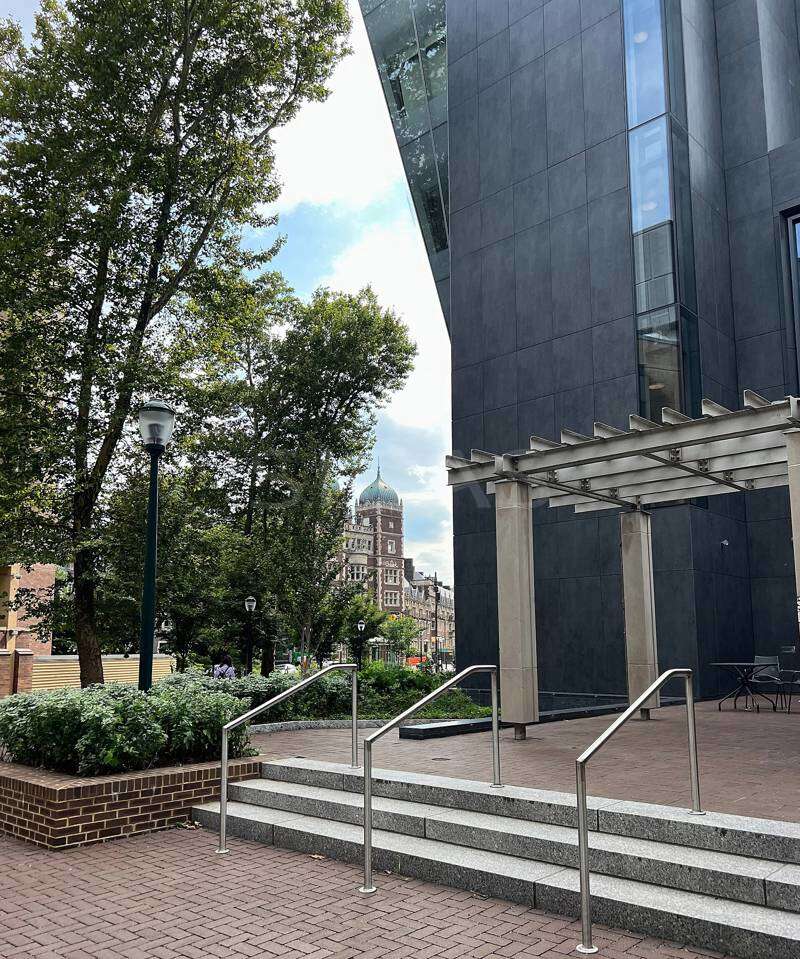
More than most families expect. A large group of Double First-Class universities — across Beijing, Shanghai, Xi'an, Harbin, Hangzhou and other major cities — have already begun accepting applications for 2027, covering bachelor's, master's and doctoral study in both English-taught and Chinese-taught programmes. Some run their admission in batches, and the early rounds close well before summer, which means that waiting until spring can quietly cost you a funded seat. You can browse study in China options through our current list of open universities and funded programmes, and one research-strong university in Xuzhou has already opened its international master's and doctoral applications with scholarship support attached.
Funding in China comes in layers, and graduate students can often combine them. The Chinese Government Scholarship remains the most generous route, while provincial governments and the universities themselves run their own awards. The strongest university packages waive tuition and accommodation entirely and add a monthly living allowance, so that a student's main remaining cost is everyday spending. For master's and doctoral candidates from Belt and Road countries, the Silk Road Scholarship is the headline option — see who is eligible for the Silk Road Scholarship and what it covers before you assume it is not for you.
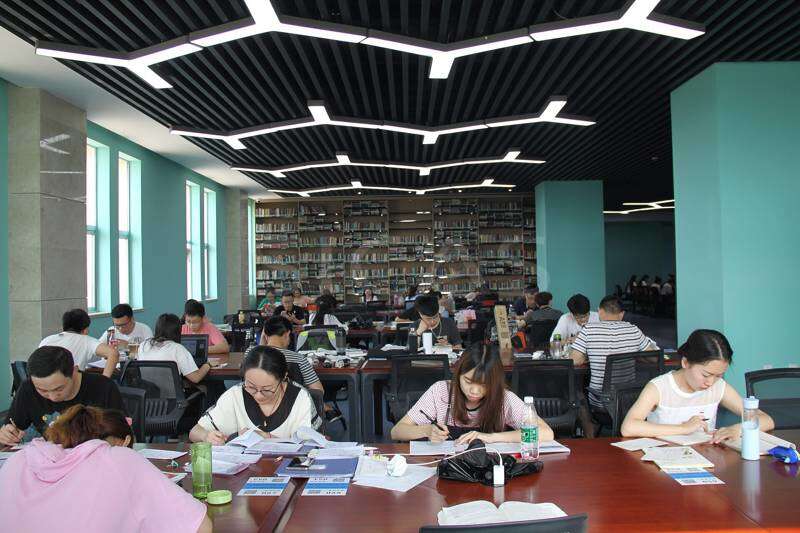
The core file is lighter than people fear: your passport, degree certificates and transcripts, and a language score — IELTS, TOEFL or Duolingo for English-taught programmes, HSK for Chinese-taught ones. On top of that, graduate programmes ask for academic recommendation letters, and research degrees add the two elements that take real time: a research proposal and a supervisor who has agreed to take you on. Our complete document checklist walks through each item, and we have broken down the 2027 timeline and the supervisor letter in a separate guide for master's applicants.
Now, if you want funding. Reaching a willing supervisor takes weeks of polite, well-targeted emails, and a serious research proposal rarely works on the first draft. Applicants who begin in November or December give themselves room to do both properly — and they reach the scholarship committee while the budget for the year is still intact.
A funded graduate degree is one of the most affordable ways to study in China at a world-class university, but the places are won by the prepared. Start your file this month, and let your advisor help you aim it at the right programmes.
Silk Road Scholarship 2027: Applications Are Opening — What to Prepare Now
How Much Does It Cost to Study in China? A Realistic Monthly Budget
Apply Now: https://www.sicas.com.cn/Account/SignUp